

✛ Blog · Business
Pricing Your First Skincare Product
"How much should I charge?" is the question every new beauty founder asks — and guessing is the most expensive way to answer it.
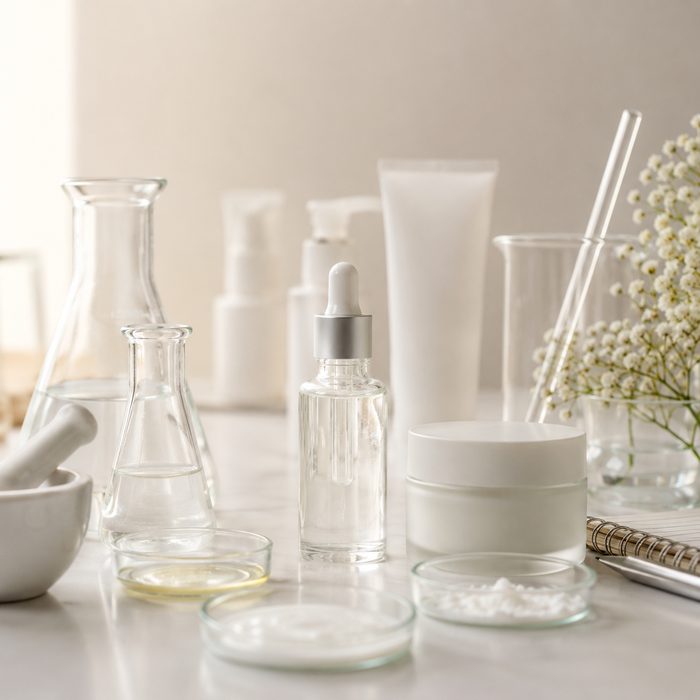
Launching your first skincare product is an exciting milestone, but one of the biggest questions every new beauty entrepreneur faces is: how much should I sell my product for? Many first-time brand owners either price their products too low, reducing profitability, or too high, making it difficult to compete in the market.
The good news is that pricing isn't about guessing — it's about understanding your costs, your target market, and the value your brand offers. In this guide, TX Labs explains how to price your first skincare product while building a profitable and sustainable beauty business.
Why Pricing Matters
Your selling price affects far more than your profit. It influences brand positioning, customer perception, retail opportunities, marketing budget, business growth, and long-term profitability. A well-priced product allows your business to invest in marketing, develop new products, and continue growing.
Step 1: Understand Your Product Cost
Before deciding on a retail price, you need to calculate your Cost of Goods Sold (COGS). Your product cost typically includes custom formulation or private label costs, manufacturing, primary packaging (bottle, tube, or jar), secondary packaging (box or carton), product labels, filling and assembly, shipping, regulatory documentation, and warehousing. Many new brands only consider manufacturing costs and overlook these additional expenses. Knowing your total product cost is the first step towards setting a profitable selling price.
Manufacturing & Materials
Formulation, packaging, filling, and labels — your core COGS.
Logistics & Fulfilment
Shipping, warehousing, and freight, often underestimated.
Regulatory & Testing
Documentation and compliance costs specific to your markets.
Marketing & Growth
Room to invest in the activities that actually sell the product.
Most direct-to-consumer skincare brands target a 40–60% gross margin, with COGS typically landing between 15–35% of retail price depending on your sales channel. If your numbers fall well outside that range, it's worth revisiting your cost stack or your pricing before you launch.
Step 2: Know Your Target Customer
Ask yourself: who is buying my product? What age group am I targeting? Is my brand affordable, premium, or luxury? Where will I sell my products? A luxury anti-ageing serum sold through aesthetic clinics will naturally command a higher price than a daily facial cleanser sold online. Your pricing should reflect your brand positioning and the expectations of your target audience.
Step 3: Research Your Competitors
Before launching, study similar products already available in the market. Compare product size, active ingredients, brand positioning, packaging quality, customer reviews, and retail pricing. Don't simply copy your competitors' prices — instead, understand why their products are priced the way they are and determine where your brand fits within the market.
Step 4: Consider Your Sales Channels
Your selling price should support the channels where you plan to sell your products.
Selling Directly Online
Selling through your own website or social media usually offers higher profit margins because there are fewer intermediaries.
Selling Through Retail Stores
Retailers often require wholesale pricing and sufficient margin to stock your products.
Selling Through Distributors
Distributors also require a percentage of the selling price to cover their operating costs. Planning for these margins early helps avoid pricing issues later.
Step 5: Don't Compete Only on Price
Many new beauty brands believe that lower prices will generate more sales. In reality, customers often associate extremely low prices with lower quality. Instead of competing on price, focus on creating value through high-quality ingredients, unique formulations, attractive packaging, strong branding, scientific credibility, and customer experience. Consumers are often willing to pay more for products they trust.
Step 6: Leave Room for Marketing
Marketing is essential for growing a skincare brand. Your product pricing should allow room for expenses such as digital advertising, social media campaigns, influencer collaborations, product sampling, promotional discounts, and trade exhibitions. Without adequate profit margins, it becomes difficult to invest in activities that drive long-term growth.
Step 7: Plan for Future Growth
As your brand grows, your pricing strategy may evolve. Consider future opportunities such as export markets, new product launches, distributor partnerships, retail expansion, and promotional campaigns. Setting a sustainable price from the beginning makes future expansion much easier.
Common Pricing Mistakes
Pricing Too Low
Low pricing can reduce perceived product value and leave insufficient profit for marketing and business growth.
Ignoring Hidden Costs
Remember to include packaging, freight, regulatory expenses, product testing, and promotional activities when calculating costs.
Copying Competitors
Every brand has different manufacturing costs, business goals, and target customers. Choose a pricing strategy that supports your own business model.
Constant Discounting
Frequent discounts can reduce the perceived value of your products and make it difficult to maintain healthy profit margins.
How TX Labs Supports New Beauty Brands
At TX Labs, we understand that launching your first skincare or hair care product involves more than manufacturing. As a Singapore-based OEM and ODM skincare manufacturer, we help clients make informed decisions throughout the product development process — from custom formulation and ingredient selection to packaging, manufacturing, and commercial planning.
Our experienced team can recommend packaging options, manufacturing solutions, and flexible low minimum order quantities (MOQ) that help new brands manage costs while maintaining premium product quality. By understanding your business goals and budget, we help you create products that are commercially competitive and positioned for long-term success.
Final Thoughts
Pricing your first skincare product isn't about choosing the lowest price — it's about finding the right balance between quality, profitability, and customer value. By understanding your costs, researching your market, planning for future growth, and working with an experienced OEM and ODM manufacturing partner, you can build a pricing strategy that supports a successful and sustainable beauty business.
✛ Frequently Asked Questions
Quick Answers
What gross margin should a new skincare brand target?
Most DTC skincare brands aim for 40–60% gross margin, though this varies by sales channel — wholesale and distributor channels typically require larger margins built in from the start.
Should I price based on my competitors?
Use competitor pricing as context, not a template — your costs, positioning, and target customer are different, so match your price to your own brand rather than copying theirs directly.
How do I account for packaging and shipping in my price?
Include primary and secondary packaging, labels, filling, freight, and regulatory documentation in your COGS calculation — these are commonly underestimated by first-time brand owners.
Ready to Start Your Project?
Talk to our team about your product idea, timeline, and budget — we'll help you map the right path forward.
Contact TX Labs WhatsApp UsFOR FASTER RESPONSE